Call #7: Eliminate educational and employment gaps between Indigenous and non-Indigenous Canadians.
Call #10: Improve Indigenous education and lifelong learning opportunities.
The Literacy Circle directly addresses adult literacy gaps by providing free reading, writing, digital literacy, and life-skills education for Indigenous adults, Elders, Residential School Survivors, and intergenerational Survivors.
Education for Reconciliation (#62, #63, #65)
These calls focus on educating Canadians about Indigenous history and residential schools.
Through Learner storytelling, survivor narratives, media engagement, and public awareness activities, TLC helps Canadians understand the impacts of residential schools through lived experience.
Health (#18, #19, #21, #22)
These calls emphasize recognizing the lasting impacts of residential schools and supporting culturally appropriate healing.
While TLC is not a health provider, our trauma-informed, relationship-based learning environment contributes to healing and wellness. The Learners’ Advocate connects participants with Indigenous Liaison Nurses, cultural workers, housing supports, and services.
Language and Culture (#13, #14)
These calls support Indigenous language and cultural revitalization.
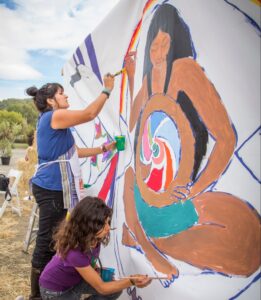
Although TLC primarily teaches English literacy, storytelling, Elder knowledge-sharing, cultural field trips, Indigenous arts, Indigenous performers, and Indigenous-led guidance support cultural continuity and identity.
Reconciliation (#43, #57)
Call #43: Implement and apply UNDRIP principles.
Call #57: Educate public servants on Indigenous history and reconciliation.
TLC models Indigenous-led, community-based learning and are advancing reconciliation through practical relationship-building and community education.